
Everywhere I turn, families are already complaining about ticks. In the Missouri Ozarks, tick bite prevention is more important than ever, as tick-borne diseases are on the rise. And some of these diseases are life-changing (in a bad way).
After pulling three ticks off my 5-year-old Leo after one April day at nature school, I googled Alpha-gal, freaked out, and decided to go scorched-earth strategy on tick defense.
If you’re like me, you don’t want to miss the best seasons in Springfield out of fear of bugs. So here’s what I’ve learned.
I send a “things to do” email every Sunday night to tons of parents and caregivers in the Springfield, Mo. area. It’s full of free ideas that always match the season we’re in.
Note: Because I bought these off Amazon myself, this post contains affiliate links. I may earn a small commission if you do the same.
Tick Defense Prep: Choose the right clothing
- Long pants. Yes, even in summer. Choose lightweight, quick-drying fabrics like these kids’ hiking pants or these women’s pants.
- Long sleeves. I prefer this Columbia UV shirt for myself, and we use Leo’s long-sleeve UV swimming shirt. These are surprisingly cool, even on super-hot days.
- Choose light-colored clothing so you can see ticks traveling on your clothes.
- Tall socks. If in high grasses or heavily infested areas, tuck your pant legs into the socks.
- Wear a hat.
- Close-toed shoes.

Best Tick Defense: Permethrin on clothing
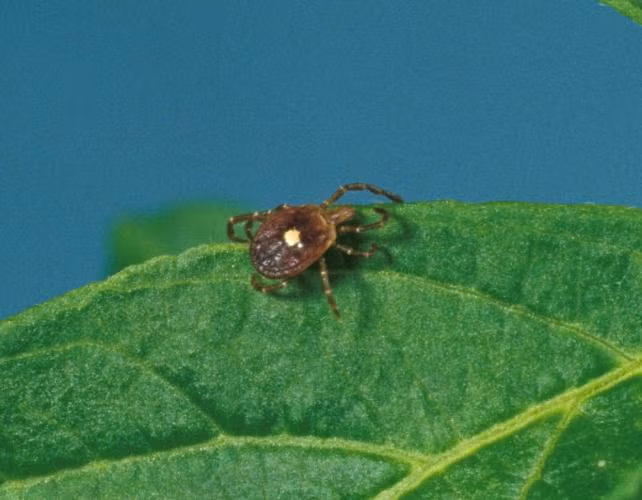
One of the biggest tick concerns in the Missouri Ozarks area is the Lone Star Tick, the horrible ones tied to Alpha-gal syndrome, a serious and potentially lifelong allergic reaction to mammalian meat (beef, pork, lamb) and dairy. These cases are on the rise in our area, and permethrin spray on clothing is the best defense against this particular tick.
Why? Because Lone Star ticks are active hunters, and will track your movement and even your breath (CO2). Normal repellents aren’t as effective for this type of insect. A better defense is to kill rather than repel.
Permethrin is an insecticide that comes from chrysanthemums. I’ve been using it in my garden for years, but only recently learned that it’s considered the most effective tick prevention strategy according to Harvard Health. I got this spray from Amazon. You don’t spray it on your skin, but spray it on your shoes, socks, and clothing.
Ticks start low and travel up, seeking skin, so they often start on shoes, socks and clothes. This spray binds to the clothing fibers and stays there, killing ticks before they reach your skin.
NOTE: Do not spray this on clothing while you or your child is wearing it. Spray the clothing outside, then let it dry for 4-6 hours. It will remain effective for over a month, even through up to six washes!
While EPA assessments indicate low risks for all ages, it is recommended to avoid using treated clothing on infants or young children who may chew on the fabric.
Tick Defense Strategy # 2: Picaridin lotion
I’m Type A, so I didn’t stop with permethrin. I want the layered approach, which is considered ideal for tick bite prevention. Now that your clothing is treated, you only need to lotion up with a repellent the day of your excursions. Sunscreen first, then repellent lotion.
According to this Canadian study, the repellent Picaridin has levels of efficacy similar to DEET in preventing mosquito and tick bites. The EPA evaluated picaridin for potential health effects and found it safe for use as directed, including for children 2 months and older, and women who are pregnant or breastfeeding. Picaridin is more effective than natural repellents like citronella.
I got this lotion from Amazon.
Lotion up exposed skin like ankles, back of neck, arms, etc., taking care to avoid the eyes, lips and nose area.
Natural Option: Lemon eucalyptus spray
Oil of lemon eucalyptus is your best bet for natural skin options. Here’s a well-reviewed one on Amazon. It’s tested and effective, though slightly less so than picaridin, and it cannot be used for kids under 3.
It’s important to note that this option doesn’t last as long as picaridin, so you’ll need to reapply it more often during long outdoor outings. I would not use this as your only defense against Lone Star ticks.
Final Defense: Nightly checks
In this season, it’s smart to check your body (and your child’s body) every night before bed. The longer a tick stays on you, the higher the chance of transmitting disease. If you find a tick, follow this removal method.
Proper Tick Removal Method
Use Fine-Tipped Tweezers: Grasp the tick as close to the skin as possible. Do not squeeze the tick’s body when removing it. This can force infected fluid, bacteria, or saliva from the tick into you or your child’s bloodstream.
Pull Steadily: Pull upward with steady, even pressure.
Do Not Twist: Avoid twisting or jerking, as this can break the mouthparts.
Disinfect & Dispose: Clean the area and your hands with rubbing alcohol or soap and water, and safely dispose of the tick. OR put the tick in a Ziploc bag and freeze it, as knowing the type can be useful if symptoms occur.












Leave a Reply